NEW AND HYBRID GENRES: FROM TEXT TO DIGITAL CULTURE
Lab Activity–2 | Unit 4 : New and Hybrid Genre
Memes • Reels / Shorts • Stand-up Comedy • Podcasts • Video Essays • Digital Poetry
Introduction
The study of literature is not limited to traditional forms such as the novel, drama, poetry and short story. Literature and storytelling continuously respond to changes in technology, culture, communication and reading habits. New media have therefore created forms that combine literary expression with images, sound, video, performance and audience participation.
In Lab Activity–1, we studied Micro-fiction, Graphic Fiction and Photo-fiction. These forms demonstrated how literary storytelling can move beyond the conventional printed page. Micro-fiction uses extreme brevity; graphic fiction combines words and sequential images; and photo-fiction uses photographs and captions to construct a narrative.
The present activity continues that discussion by examining newer digital and hybrid forms: Memes, Reels/Shorts, Stand-up Comedy, Podcasts, Video Essays/Vlogs and Digital Poetry. These genres show an even greater movement towards multimedia, performance, participation and digital circulation.
PRINTED TEXT → TEXT + IMAGE → PHOTOGRAPH → VIDEO → AUDIO → INTERACTIVE DIGITAL STORYTELLING
Connection with Lab Activity–1
Yesterday's activity introduced the idea that a literary genre can change when it encounters a new medium. Micro-fiction reduced narrative to a highly compressed form. Graphic fiction combined written language with sequential visual art. Photo-fiction transformed photographs and captions into a narrative sequence.
Today's genres continue this process. A meme combines image and text; a Reel combines video, speech, music and text; stand-up comedy combines narrative with performance; podcasts combine voice and sound; video essays combine research with audiovisual presentation; and digital poetry combines poetry with typography, music, voice and video.
Thus, the two activities together demonstrate an important principle of contemporary genre studies: literary forms are capable of changing, combining and adapting when cultural and technological conditions change.
Todorov and the Transformation of Genre
The connection with Tzvetan Todorov is particularly useful for understanding new and hybrid genres. Todorov is well known for The Fantastic: A Structural Approach to a Literary Genre (1970; English translation 1973/1975), in which he examines genre through structural and theoretical approaches. His work distinguishes between theoretical approaches to genre and actual historical genres. 1
For the present activity, Todorov's discussion of the origin and transformation of genres is especially relevant. His argument, as discussed in scholarship on his genre theory, is that a new genre can emerge through the transformation of one or more existing genres, including processes such as inversion, displacement and combination. 2
This idea provides a useful theoretical framework for understanding new and hybrid digital forms. A meme does not emerge from nothing: it combines elements of image, language, humour and cultural reference. A Reel combines aspects of performance, cinema, music, advertising and social-media communication. Digital poetry combines traditional poetic expression with typography, voice, music, image and video.
Therefore, Todorov's theory helps us understand that genres can be viewed as dynamic rather than permanently fixed categories. New forms may develop by transforming, combining or relocating conventions from earlier forms. 3
OLD FORM + NEW MEDIUM + TRANSFORMATION = NEW / HYBRID GENRE
It is important, however, not to claim that Todorov specifically classified memes, Reels or podcasts. These are contemporary digital forms. Rather, Todorov's theory gives us a useful literary-theoretical framework for analysing how such forms emerge and change.
1. MEMES
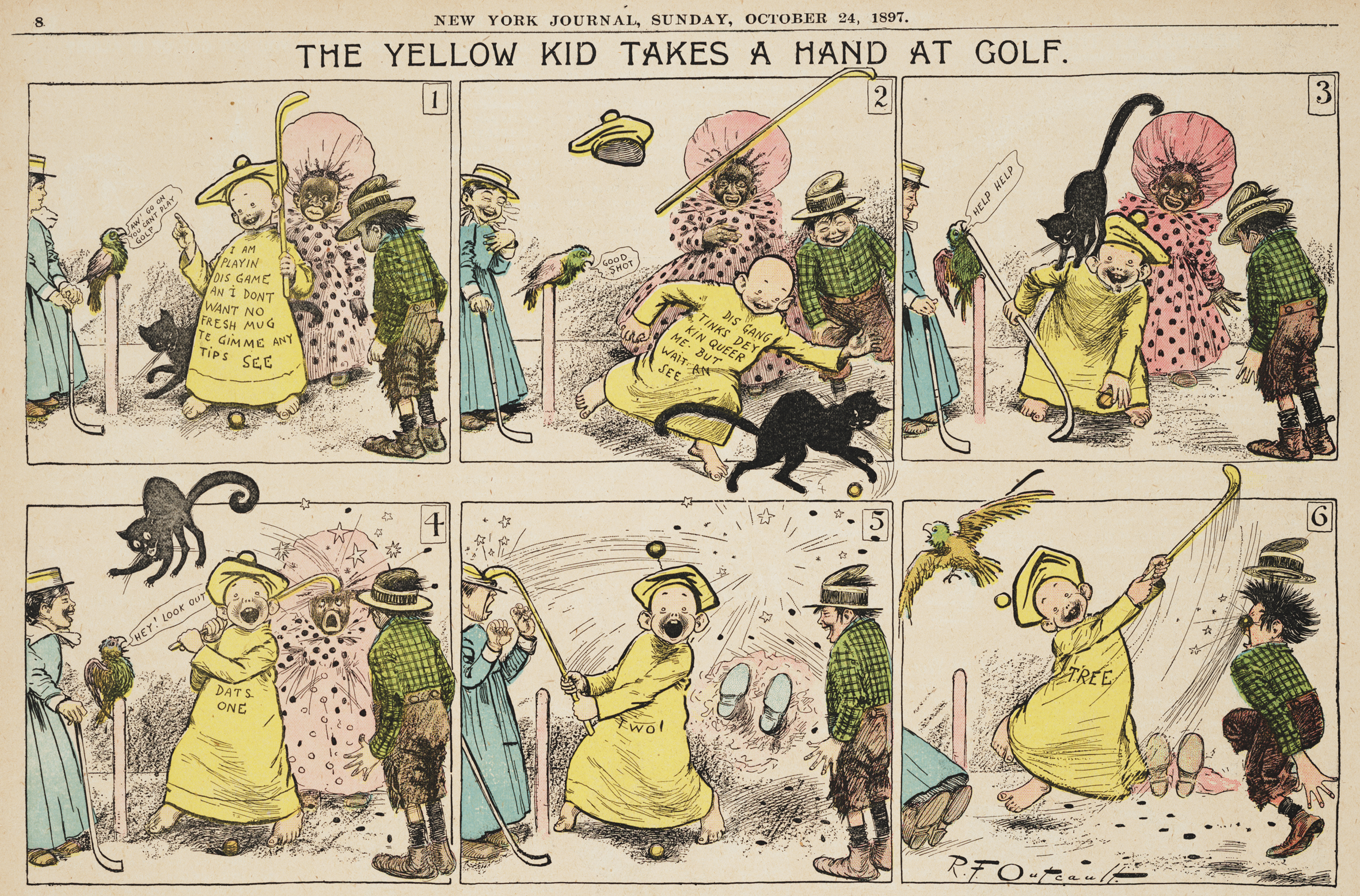
A meme is a highly shareable form of digital communication that commonly combines image, text, humour, irony and cultural reference. Memes can circulate rapidly through social-media networks and can be repeatedly adapted by different users.
Although memes are generally associated with humour and entertainment, they can also communicate social criticism, political commentary, literary references, cultural observations and everyday experiences.
Memes as a Hybrid Genre
The meme is hybrid because it does not depend on only one mode of communication. Meaning is produced through the interaction of visual representation and language. A familiar image can acquire a completely different meaning when combined with a new caption.
In this respect, memes can be connected with the idea of intertextuality. They often borrow recognisable images, scenes, expressions or cultural references and place them into new contexts.
Key Features of Memes
- Brevity: Meaning is communicated quickly.
- Image + text: Both visual and verbal elements work together.
- Humour and irony: Comic or ironic meaning is often central.
- Intertextuality: Memes frequently refer to films, literature, celebrities or popular culture.
- Remix: Users can modify an existing meme.
- Participation: Audiences can become creators.
- Rapid circulation: Digital networks allow memes to spread quickly.
Meme and Micro-fiction
The relationship between memes and micro-fiction is particularly interesting. Both forms communicate meaning in a limited space. Micro-fiction compresses narrative into a few words, while a meme often compresses a situation, emotion or cultural observation into an image-text combination.
However, the meme depends more heavily on visual recognition and shared cultural knowledge. A viewer who understands the reference can immediately understand the humour or criticism, while another viewer may not understand it fully.
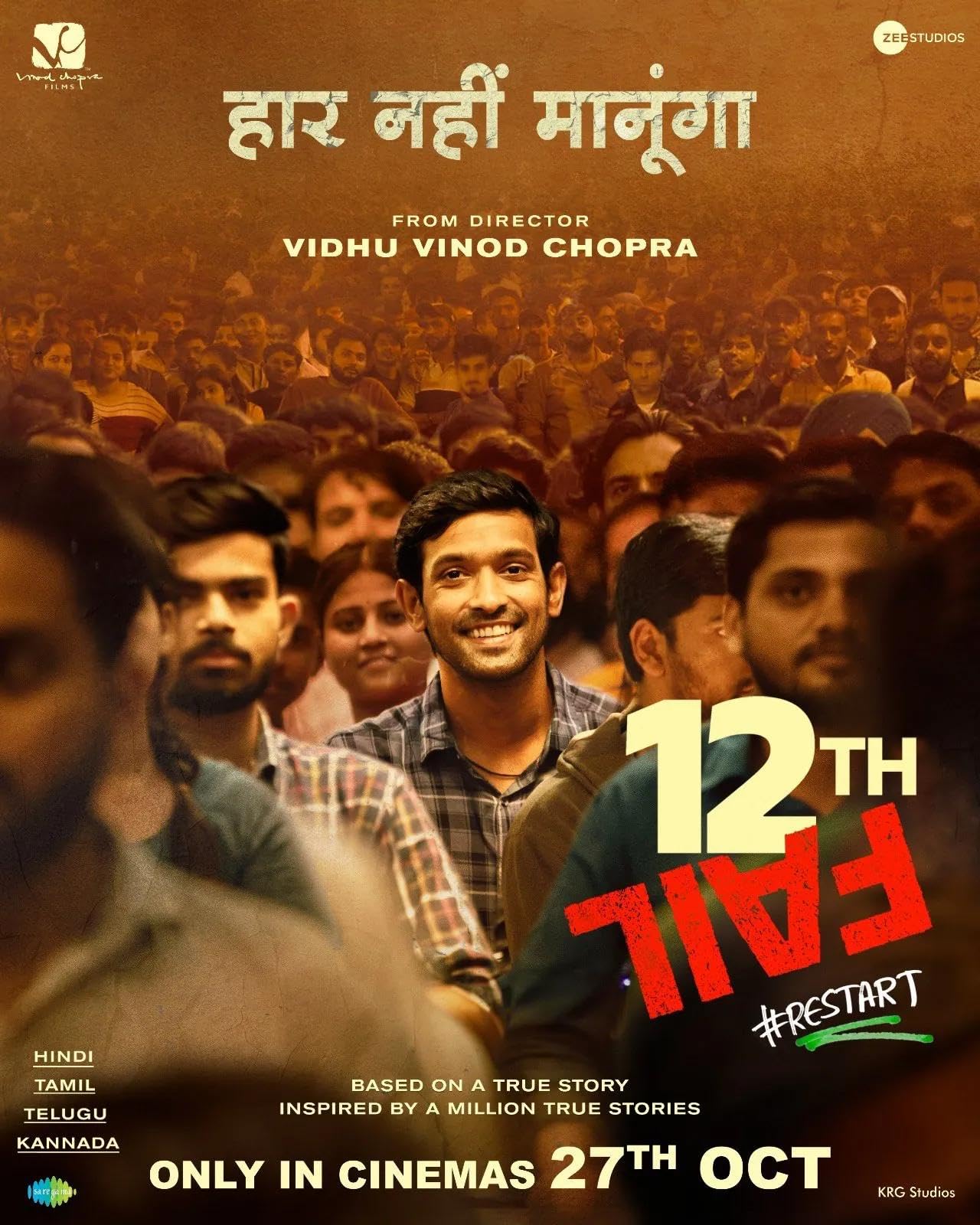
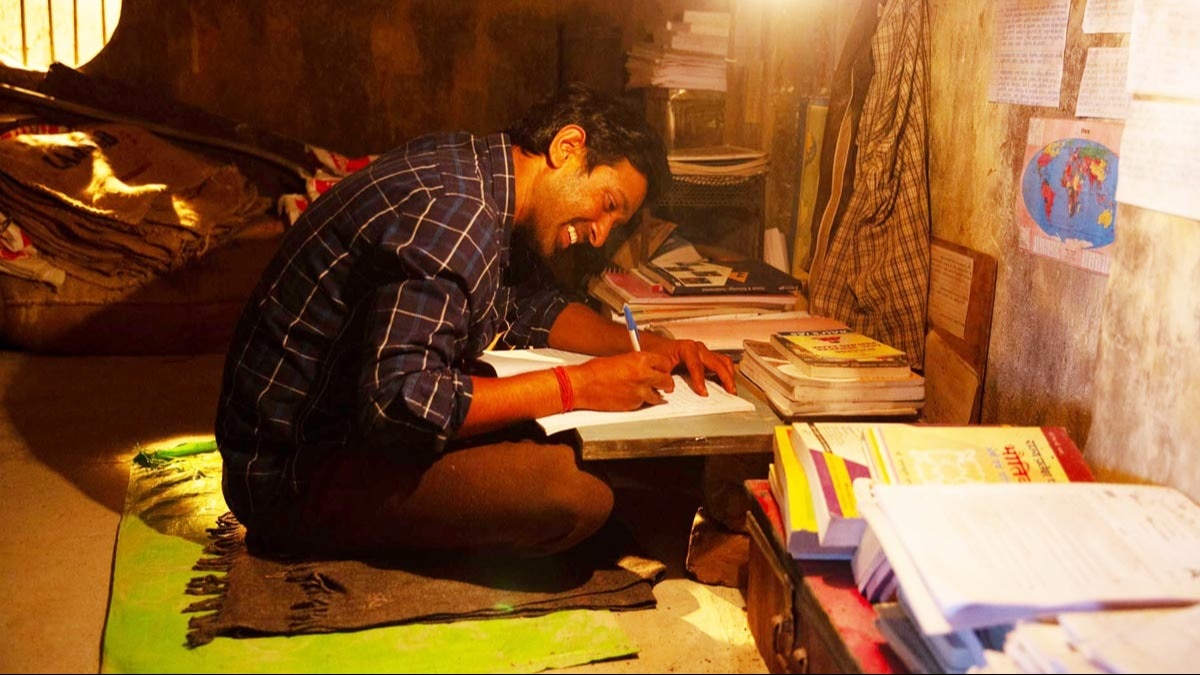
Example of participatory meme culture — a familiar visual template can be given different captions and meanings by users.
2. REELS / SHORTS
Reels and Shorts are short-form digital videos designed primarily for mobile and social-media viewing. They combine moving images, speech, music, text, editing, performance and visual effects.
Short-form video has created a new environment for storytelling. A poem, quotation, literary idea, dramatic scene, personal experience, review or social observation can be transformed into a short audiovisual narrative.
Reels / Shorts as Hybrid Storytelling
The hybrid nature of short-form video is visible in the number of modes operating simultaneously. A creator may use spoken language, background music, written captions, visual performance, camera movement and editing within a single short video.
The form can therefore be connected to several older genres and media: dramatic performance, cinema, music video, advertising, oral storytelling and written narrative.
Key Features of Reels / Shorts
- Short duration
- Vertical/mobile format
- Fast editing
- Music and sound effects
- Text overlays and captions
- Performance
- Visual storytelling
- Audience interaction
- Sharing and remixing
Reels and Shorts can be compared with micro-fiction because both value compression. However, micro-fiction compresses primarily through language, whereas short-form video compresses through time, editing, visual information and sound.
Short Video as a New Narrative Space
A short video can establish a character, create conflict, deliver a joke, present an argument or communicate an emotional experience within a very limited duration. The creator therefore has to make careful choices about opening, pacing, visual attention, sound and conclusion.
This demonstrates how the concept of narrative is changing in the digital environment. The story may no longer be experienced only through pages; it may be experienced through a sequence of edited audiovisual moments.
3. STAND-UP COMEDY
Stand-up comedy is a performance genre in which a comedian directly addresses an audience through jokes, observations, stories and commentary. Although it is primarily a performance form, it contains important elements of narrative, dialogue, characterisation, irony and social criticism.
Stand-up performers frequently transform ordinary experiences into stories. Family, education, relationships, language, society, popular culture and everyday life can become material for comic narration.
Stand-up Comedy as Hybrid Narrative
Stand-up comedy combines spoken language, storytelling, performance, humour, gesture, facial expression and audience response. The written script alone cannot reproduce the entire performance because timing, voice, pause and physical delivery contribute to meaning.
Key Features
- Direct audience address
- Personal storytelling
- Humour and irony
- Social observation
- Timing and delivery
- Voice and gesture
- Audience response
Digital platforms have further transformed stand-up comedy by allowing performances to circulate beyond the physical theatre. A performance can become a recorded video, short clip, Reel or podcast segment.
Connection with Traditional Literary Forms
Stand-up comedy can be connected with older forms of oral storytelling, satire, dramatic monologue and social commentary. What changes is the medium through which the performance reaches its audience.
This is another example of genre transformation: an older communicative practice can acquire a new form through recording technology, digital platforms and online audiences.
The Emerging Digital Genre Spectrum
| Genre | Main Medium | What It Combines |
|---|---|---|
| Memes | Image + Text | Humour + cultural reference |
| Reels / Shorts | Video + Audio | Performance + music + text + editing |
| Stand-up Comedy | Live / Video Performance | Narrative + humour + performance |
| Podcasts | Audio / Video | Voice + conversation + sound |
| Video Essays | Video + Voice | Research + argument + audiovisual evidence |
| Digital Poetry | Text + Audio + Video | Poetry + typography + performance |
From Yesterday's Genres to Today's Digital Genres
MICRO-FICTION → MEME / SHORT VIDEO
GRAPHIC FICTION → AUDIOVISUAL STORYTELLING
PHOTO-FICTION → DIGITAL VISUAL NARRATIVE
This progression does not mean that one genre simply replaces another. Instead, older forms provide conventions, techniques and narrative strategies that can be transformed through newer media.
The first half of Lab Activity–2 demonstrates that new and hybrid genres emerge through the interaction of existing forms, new technologies and changing audience practices. Memes, Reels/Shorts and stand-up comedy each transform familiar modes of communication into contemporary digital experiences.
Todorov's genre theory provides a useful theoretical lens for understanding this transformation. Rather than treating genre as completely fixed, we can examine how conventions are combined, transformed and relocated into new media.
4. Podcast: Audio-Visual Digital Storytelling
A podcast is a digital form of communication in which people use recorded audio, and increasingly video, to present conversations, interviews, discussions, stories, lectures, reviews, or personal reflections. Unlike traditional printed literature, a podcast depends primarily on the human voice, sound, performance, and digital circulation.
Podcasts can be understood as a new and hybrid genre because they combine characteristics of several earlier forms such as radio programmes, interviews, oral storytelling, lectures, conversations, documentary narration, and personal diaries. Digital technology transforms these older forms into an easily accessible and shareable medium.

Podcasting as digital oral storytelling. Image: Wikimedia Commons, CC BY-SA 4.0.
Major Features of Podcasts
- Voice and speech: The human voice becomes an important storytelling instrument.
- Conversation and interview: Many podcasts use dialogue between speakers.
- Sound effects: Music, background sounds, and effects create atmosphere.
- Narrative storytelling: Podcasts can tell fictional or non-fictional stories.
- Audio-visual form: Modern podcasts may include video recording as well as audio.
- Digital distribution: Episodes can be distributed through online platforms.
- Audience interaction: Listeners can comment, share, review, and respond.
Podcast and Todorov's Concept of Genre Transformation
Todorov's theory of genre can help us understand podcasts as a transformation of earlier genres. Todorov does not specifically classify podcasts, but his approach allows us to examine how existing conventions are transformed and combined to produce new forms.
The traditional radio programme used voice, music, interviews, and sound. The podcast retains these conventions but changes their method of production and distribution through digital technology. Therefore:
Radio + Interview + Oral Storytelling + Digital Technology = Podcast
This transformation illustrates how genres do not remain completely fixed. They adapt to new technologies, cultural practices, and audience expectations.
5. Video Essay / Vlog
A video essay combines the argumentative structure of a traditional essay with moving images, narration, music, graphics, quotations, photographs, and editing. It is particularly important in digital literary and cultural studies because it allows a writer or student to present a critical argument through multiple media.
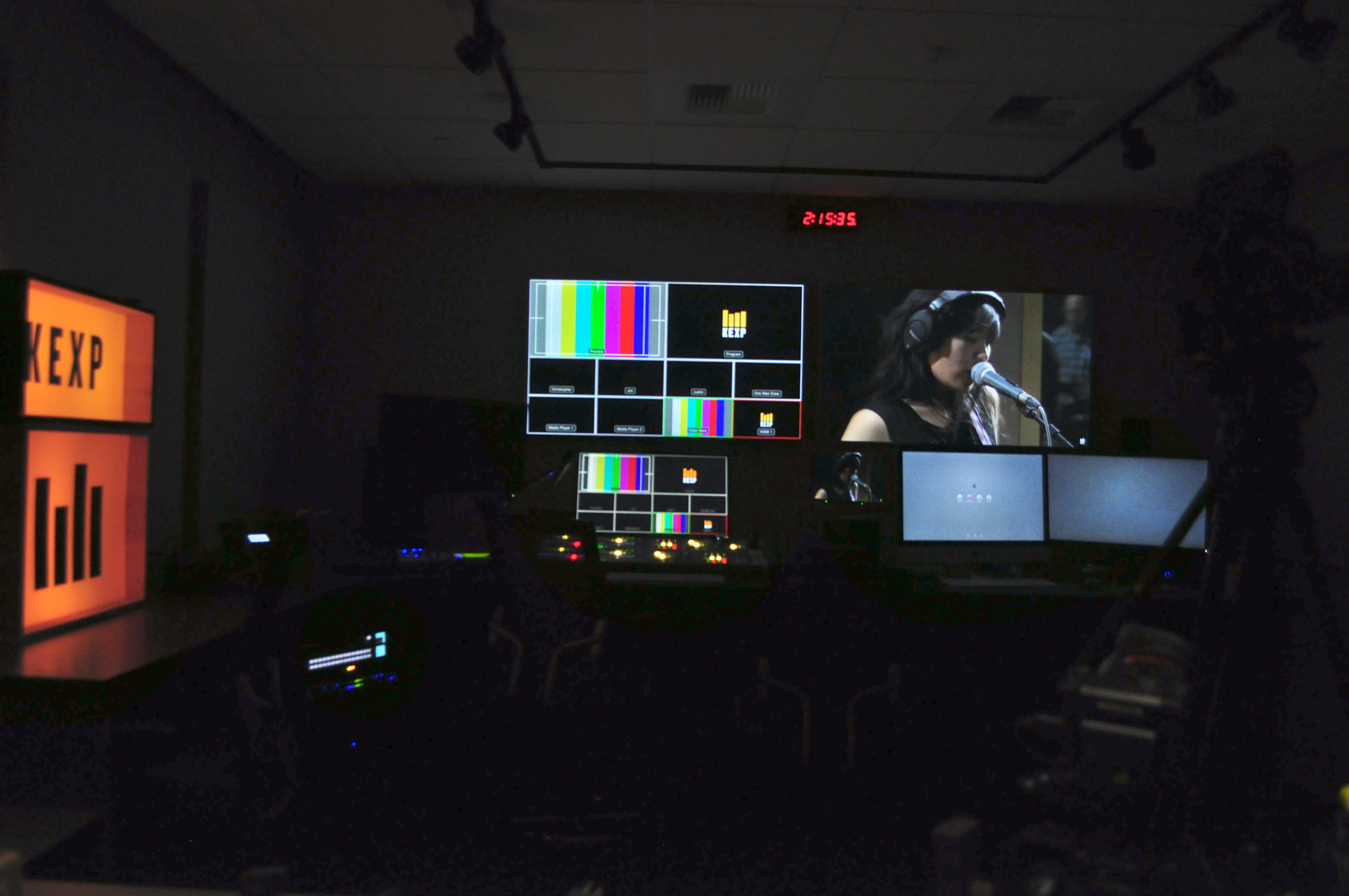
Video production and editing as part of digital storytelling. Image: Joe Mabel, Wikimedia Commons, CC BY-SA 4.0.
Major Features of a Video Essay
- Central argument: It presents a clear critical or interpretative idea.
- Research and evidence: Arguments may be supported through quotations and references.
- Voice-over: The narrator explains the argument.
- Images and photographs: Visual material supports the written argument.
- Text and quotations: Important ideas can appear directly on screen.
- Music and sound: Audio contributes to mood and interpretation.
- Editing and sequencing: Meaning is created through the arrangement of different media.
Traditional Essay vs Video Essay
| Traditional Essay | Video Essay |
|---|---|
| Written argument | Written + visual + auditory argument |
| Paragraphs | Scenes and sequences |
| Quotation | Quotation + image + voice |
| Reading | Reading + watching + listening |
| Linear presentation | Edited multimedia presentation |
6. Vlog as Digital Autobiography
A vlog, or video blog, is another important digital narrative form. It may record a person's experiences, opinions, reflections, travel, education, daily life, or cultural observations. In this sense, the vlog has connections with traditional forms such as the diary, autobiography, memoir, travel writing, documentary, and personal essay.

The vlog as a form of digital autobiography and personal communication. Image: Wikimedia Commons, CC BY 3.0.
The major difference is that the experience is no longer communicated only through written language. The creator can use voice, facial expression, body language, location, music, photographs, captions, and editing. The audience can also respond immediately through comments and other forms of digital interaction.
Vlog and Genre Transformation
The transformation can be represented as:
Diary + Memoir + Documentary + Personal Essay + Video Technology = Vlog
Thus, the vlog demonstrates how an established literary or cultural practice can acquire a new form when it enters a digital environment.
7. Why Podcast and Video Essay/Vlog Are New & Hybrid Genres
Podcasts and video essays/vlogs are not completely disconnected from traditional genres. Their originality comes from their ability to combine older conventions with digital technologies.
- Podcast: combines oral storytelling, radio, interview, conversation, and digital media.
- Video Essay: combines essay writing, criticism, documentary, narration, and audiovisual editing.
- Vlog: combines diary, autobiography, memoir, documentary, and personal communication.
The hybrid nature of these forms demonstrates that contemporary storytelling is increasingly multimodal. Meaning is produced not only through words but also through voice, image, movement, music, editing, and audience participation.
8. Digital Audience and Participatory Culture
One of the most significant differences between traditional and digital genres is the changing role of the audience. In traditional print culture, readers generally received a completed work. Digital platforms allow audiences to become active participants.
- Readers can comment on content.
- Audiences can share and circulate works.
- Users can remix existing content.
- Viewers can respond through videos, reactions, or discussions.
- Digital users can reinterpret and reproduce cultural material.
Therefore, digital genres create a more interactive relationship between creator, text, technology, and audience.
9. Connection with Todorov's Genre Theory
Tzvetan Todorov's theory is useful for understanding the development of new genres because it treats genres as related to historical and cultural systems rather than as permanently fixed categories. Digital genres demonstrate this process clearly.
| Earlier Form | Digital Transformation | New Form |
|---|---|---|
| Radio | Digital recording + online distribution | Podcast |
| Essay | Video + narration + editing | Video Essay |
| Diary / Memoir | Camera + voice + social media | Vlog |
Podcasts, video essays, and vlogs demonstrate the continuing transformation of storytelling in the digital age. They inherit conventions from radio, oral narrative, essay, memoir, diary, documentary, and autobiography, but transform these conventions through digital technology. Their hybrid character allows words, voice, images, music, movement, and audience participation to operate together.
From the perspective of Todorov's genre theory, these forms demonstrate that genres can be transformed, combined, relocated, and adapted when cultural and technological conditions change.
6. Digital Poetry: Instagram and TikTok Poetry
Digital poetry refers to poetry that is created, presented, circulated, or experienced through digital technologies. It can include interactive poetry, animated text, multimedia poetry, spoken-word videos, Instagram poetry, TikTok poetry, electronic literature, and born-digital poetic works.
Unlike conventional printed poetry, digital poetry can combine words, images, typography, animation, sound, music, video, hyperlinks, and audience interaction. Therefore, it is an important example of a new and hybrid genre.

Social-media platforms have become important spaces for the circulation of contemporary poetry.
Major Features of Digital Poetry
- Multimedia: Poetry may combine text, image, sound, and video.
- Visual typography: Font, spacing, colour, and arrangement can contribute to meaning.
- Short form: Social-media poetry often uses concise and easily shareable texts.
- Audio-visual performance: Poems may be presented through spoken-word videos.
- Digital circulation: Poems can reach audiences through Instagram, TikTok, YouTube, and other platforms.
- Audience participation: Readers can comment, share, remix, and respond.
- Accessibility: Poetry can reach readers beyond traditional literary institutions.
7. Instagram Poetry
Instagram poetry is a significant example of how poetry has adapted to social media. Poets such as Rupi Kaur, Nayyirah Waheed, Atticus, and Yrsa Daley-Ward have become associated with contemporary forms of short, visually presented poetry.
Instagram changes the relationship between poetry and visual presentation. A poem may appear as a short text on a carefully designed image, accompanied by a caption and circulated through hashtags and sharing. The poem therefore becomes both a literary text and a visual-social-media object.
This does not mean that every social-media poem is automatically a completely new literary form. Rather, Instagram demonstrates how an existing genre—poetry—can acquire new modes of presentation, circulation, readership, and interaction.
8. TikTok Poetry and Spoken-Word Performance
TikTok has further transformed poetry by combining spoken performance, short-form video, music, visual editing, captions, and social interaction. A poem can be written, performed, recorded, edited, and distributed within the same digital environment.
This creates a movement from:
Printed Poem → Spoken Word → Video Performance → Social-Media Poetry
The audience is no longer only a reader. It becomes a viewer, listener, commenter, sharer, and sometimes participant in the circulation of the poem.
9. Born-Digital Poetry
Another important form is born-digital poetry. This refers to poetry created specifically for a digital environment rather than simply transferring an already printed poem onto a screen.

A born-digital poetic work demonstrating the relationship between poetry and digital visual form.
In born-digital poetry, the digital medium itself can become part of the poetic experience. Movement, screen arrangement, hyperlinks, interaction, animation, or sound may contribute to the meaning of the poem.

Climatopia: an example of digital poetry and multimedia poetic practice.
10. Case Study: “The Two-Headed Calf”
Laura Gilpin's poem “The Two-Headed Calf” provides an interesting example of the digital afterlife of poetry. The poem has circulated through different digital forms, including illustrated presentations and social-media adaptations.
The movement of a literary work from one medium to another demonstrates how digital culture can create new ways of reading, viewing, sharing, and interpreting poetry.
The poem can be explored through the Poetry Foundation:
Click here to read “The Two-Headed Calf” – Poetry Foundation
11. Why Digital Poetry Is a New & Hybrid Genre
Digital poetry is hybrid because it brings together several forms of artistic communication. The poem is no longer necessarily restricted to printed words arranged on a page.
| Traditional Element | Digital Element | Hybrid Result |
|---|---|---|
| Poetry | Social media | Instagram Poetry |
| Poetry | Video + performance | TikTok / Spoken-word Poetry |
| Poetry | Animation + interaction | Electronic / Digital Poetry |
12. Role of the Digital Audience
The rise of new and hybrid genres has also changed the traditional relationship between the author and reader. Digital platforms encourage participatory culture.
- Comment: Readers can immediately respond to a literary work.
- Share: Content can circulate rapidly among different communities.
- Remix: Existing texts and images can be transformed into new works.
- Reaction: Audiences can respond through videos, memes, duets, and other formats.
- Reinterpretation: A literary text can acquire new meanings in different digital contexts.
Therefore, the digital audience is not always a passive consumer. It can become an active participant in the production, circulation, and transformation of meaning.
13. Todorov and the Transformation of Digital Genres
Tzvetan Todorov's concept of genre is particularly useful for understanding the development of new and hybrid digital forms. However, it is important to clarify that Todorov did not specifically classify Instagram poetry, TikTok, memes, podcasts, or reels. His theoretical framework can instead be applied to examine how genres change and transform.
Digital genres demonstrate this transformation because older forms do not simply disappear. Their conventions are often reused, combined, modified, and transferred into new media.
| Older Genre/Form | Digital Transformation | New / Hybrid Form |
|---|---|---|
| Radio | Internet + recorded audio/video | Podcast |
| Essay | Narration + video + editing | Video Essay |
| Diary / Memoir | Camera + voice + social media | Vlog |
| Poetry | Image + typography + social media | Instagram Poetry |
| Spoken Word | Short-form video platforms | TikTok Poetry |
14. Comparative Overview of New & Hybrid Genres
| Genre | Main Medium | Major Feature |
|---|---|---|
| Meme | Image / Text / Video | Humour, cultural commentary, remix |
| Reels / Shorts | Short video | Compressed audiovisual storytelling |
| Stand-up Comedy | Performance / Video | Oral narrative and humour |
| Podcast | Audio / Video | Conversation and oral storytelling |
| Video Essay / Vlog | Video | Argument, reflection and audiovisual narrative |
| Digital Poetry | Text / Image / Audio / Video | Poetry combined with digital media |
15. Literature in the Digital Age
The emergence of these genres demonstrates that literature and storytelling are continuously responding to technological change. The digital age has expanded literature beyond the traditional boundaries of the printed book.
Contemporary literary practices may include micro-fiction, graphic narratives, photo-fiction, memes, reels, podcasts, video essays, vlogs, and digital poetry. These forms demonstrate that storytelling can exist across several media simultaneously.
The movement can be understood as:
Printed Text → Visual Text → Digital Text → Multimedia → Interactive Culture
Dilip Barad's discussions of digital storytelling and new forms of literary communication similarly emphasize the transformation of storytelling practices through digital technology. Digital media provide new spaces for creation, circulation, collaboration, performance, and interpretation.
16. Overall Conclusion
New and hybrid genres show that literature is not a fixed or unchanging category. As technologies, communication practices, and reading habits change, literary and cultural forms also transform.
From micro-fiction to memes, from graphic fiction to audiovisual narratives, from photo-fiction to digital storytelling, and from printed poetry to Instagram and TikTok poetry, contemporary genres demonstrate an increasing movement towards multimodality.
The major characteristic of these forms is their ability to combine words, images, sound, performance, video, technology, and audience participation. Their hybrid nature challenges the strict separation between literature, visual culture, performance, and digital media.
From the perspective of Todorov's genre theory, these developments can be understood as processes of transformation. Existing conventions are not simply abandoned; they are adapted, combined, relocated, and reshaped within new technological environments.
Thus, new and hybrid genres represent not the end of literature, but the continuing transformation of literary expression.
Poetry Foundation. “The Two-Headed Calf” by Laura Gilpin.
Wikimedia Commons. Images used for educational and illustrative purposes with their respective Creative Commons/public-domain licensing.
WORKS CITED / FURTHER READING
Barad, Dilip. “Comparative Overview of the Forms of Storytelling with Reference to the Digital Age.”
Dilip Barad: Digital Humanities, 2015.
https://blog.dilipbarad.com/2015/05/
Barad, Dilip. “LaPreK – Micro Love Fiction – लप्रेक – लघु प्रेम कथा.”
Dilip Barad: Digital Humanities, 2017.
https://blog.dilipbarad.com/2017/09/laprek-micro-love-fiction.html
Barad, Dilip. “Photo-Novel on Facebook.”
Dilip Barad: Digital Humanities, 2020.
https://blog.dilipbarad.com/2020/12/photo-novel-on-facebook.html
Barad, Dilip. “Research Prospects in Digital Humanities.”
Dilip Barad: Digital Humanities, 2016.
https://blog.dilipbarad.com/2016/02/research-prospects-in-digital.html
Barad, Dilip. “Reimagining Narratives with AI.”
Dilip Barad: Digital Humanities, 2025.
https://blog.dilipbarad.com/2025/04/
Todorov, Tzvetan. The Fantastic: A Structural Approach to a Literary Genre.
Cornell University Press, 1975.
Google Books – The Fantastic
Poetry Foundation. “The Two-Headed Calf” by Laura Gilpin.
https://www.poetryfoundation.org/poems/1626022/the-two-headed-calf
Wikimedia Commons. “Podcasting-wcwc.”
https://commons.wikimedia.org/wiki/File:Podcasting-wcwc.jpg
Wikimedia Commons. “KEXP Studio 03 – Video Editing Room.”
https://commons.wikimedia.org/wiki/File:KEXP_studio_03_-_video_editing_room.jpg
Wikimedia Commons. “Vlogger Greeting Viewer.”
https://commons.wikimedia.org/wiki/File:Vlogger_greeting_viewer.jpg
Wikimedia Commons. “Instagram App on Smartphone.”
https://commons.wikimedia.org/wiki/File:Instagram_app_on_smartphone_(grass_background)_(cropped).jpg
Wikimedia Commons. “Paranoico Arco Iris – Poema Digital.”
https://commons.wikimedia.org/wiki/File:Paranoico_arco_iris_poema_digital_Jose_Aburto.jpg
Wikimedia Commons. “Climatopia – Anthology of Climatophosis Digital Poetry.”
https://commons.wikimedia.org/wiki/File:Climatopia-Anthology_of_climatophosis_digital_poetry.jpg
Additional Digital Humanities Reference
Barad, Dilip. Dilip Barad: Digital Humanities.
The blog provides resources and discussions on digital literature, electronic literature, digital storytelling, and emerging literary practices.
https://blog.dilipbarad.com/
Image and Media Note
The images used in this blog are linked to their respective Wikimedia Commons pages so that the original source, creator, and licensing information can be checked. Where applicable, the images are used under Creative Commons or public-domain permissions for educational purposes.